
Losses

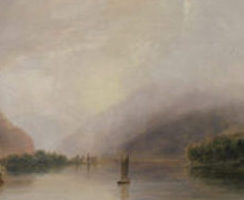
William Turner, Sunset
One Art
By Elizabeth Bishop
The art of losing isn’t hard to master;
so many things seem filled with the intent
to be lost that their loss is no disaster.
Lose something every day. Accept the fluster
of lost door keys, the hour badly spent.
The art of losing isn’t hard to master.
Then practice losing farther, losing faster:
places, and names, and where it was you meant
to travel. None of these will bring disaster.
I lost my mother’s watch. And look! my last, or
next-to-last, of three loved houses went.
The art of losing isn’t hard to master.
I lost two cities, lovely ones. And, vaster,
some realms I owned, two rivers, a continent.
I miss them, but it wasn’t a disaster.
—Even losing you (the joking voice, a gesture
I love) I shan’t have lied. It’s evident
the art of losing’s not too hard to master
though it may look like (Write it!) like disaster.
Losses
The older we get, the more we experience the loss of things we love. Elizabeth Bishop’s poem traces a series of losses, and asserts that the “art of losing isn’t hard to master.” That may be so for material things, including former places of residence. But losing someone loved, is another story of disaster that’s hard to accept. There seems to be a recognition that to call the other losses disasters, may have been an exaggeration. Mastering the art of losing a loved person is not so easy. Notice the emphatic “Write it!” This loss is truly disastrous, though it’s hard to admit, because it makes the art of mastering it more difficult. The poem suggests that fully accepting the reality of such a loss is necessary to be healed.
Have you experienced a material or personal loss that seemed disastrous, but in the aftermath, were eventually able to move forward, perhaps with new wisdom?